6 Pillars of a Healthier, Age-Defying Lifestyle in 2026

Ready to turn spring into your personal reboot button? Imagine feeling energized, resilient, and youthful‑looking every day, even as the years stack up. The secret isn’t a miracle pill—it’s six foundational pillars that, when aligned, make an age‑defying lifestyle not just possible but sustainable.
Spring’s longer daylight and fresh energy are the perfect cue to reset habits. In 2026, leading health scientists and longevity researchers are converging on a clear roadmap for thriving after 40. Below, I break down each pillar with concrete, data‑driven actions you can start today.
How Can Optimized Nutrition Support an Age‑Defying Lifestyle in 2026?
Nutrition remains the cornerstone of longevity. Recent meta‑analyses from the National Institute on Aging and Harvard Health show that a diet rich in micronutrients, lean protein, and polyphenols can blunt sarcopenia and support cellular repair.
- Prioritize protein timing: Aim for 20‑30 g of high‑quality protein (e.g., whey, fish, legumes) within 30 minutes of waking and after workouts. This maximizes muscle protein synthesis, a key factor highlighted in our "Minimal Effective Dose Strength Training After 40" post.
- Embrace plant‑based antioxidants: Berries, leafy greens, and turmeric provide flavonoids that activate the Nrf2 pathway, helping combat oxidative stress.
- Stay hydrated with electrolytes: Beyond water, add a pinch of sea salt or a magnesium supplement to support nerve function and sleep quality.
Pro tip: Rotate your protein sources weekly to ensure a full amino‑acid profile and keep meals interesting.
What Types of Movement Deliver the Most Longevity Benefits After 40?
The 2026 ACSM Physical Activity Guidelines emphasize a blend of resistance, aerobic, and mobility work. For busy professionals, the "minimum effective dose" approach—one focused strength session per week—still yields measurable muscle gain (see our "Minimal Effective Dose Strength Training After 40" article).
- Strength training: 2‑3 sets of compound lifts (squat, deadlift, row) at 70‑80 % of 1RM, once per week.
- High‑Intensity Interval Training (HIIT): 10‑15 minute sessions, 2×/week, to improve cardiovascular health without excessive joint wear.
- Mobility flow: 5‑10 minutes of dynamic stretching each morning, targeting hip flexors and thoracic spine.
How Does Quality Sleep Influence Age‑Defying Health?
Sleep is the body’s nightly repair shop. The World Health Organization links 7‑9 hours of uninterrupted sleep to lower inflammation markers and better hormone balance.
- Create a circadian‑friendly environment: Dim lights after sunset, keep bedroom temperature around 65 °F (18 °C), and avoid screens for at least 30 minutes.
- Leverage sleep‑tracking tech: Our "Apple Watch Series 10: Over‑40 Health Sensors Guide" explains how to use the new sleep score to fine‑tune bedtime routines.
- Consider short naps: A 20‑minute afternoon nap can boost alertness without disrupting nighttime sleep cycles.
What Stress‑Management Strategies Are Proven to Extend Healthspan?
Chronic stress accelerates telomere shortening. Cutting‑edge research from Mayo Clinic and the American Psychological Association highlights three practical tools:
- Mindful breathing: 4‑7‑8 technique for 2 minutes before stressful meetings.
- Cold exposure: 30‑second cold showers three times a week stimulate norepinephrine, improving mood and metabolic rate.
- Social accountability: Join a "spring wellness challenge" with peers (see our "International Women’s Day 2026" post for community‑building ideas).
Why Is Social Connection a Pillar of an Age‑Defying Lifestyle?
Humans are wired for connection. Studies from the National Institute on Aging show that strong social ties reduce mortality risk by up to 50 %.
- Schedule weekly check‑ins: A 30‑minute video call with a friend or mentor keeps you accountable.
- Participate in group activities: Outdoor boot‑camps, book clubs, or community gardening foster both movement and bonding.
- Volunteer: Giving back triggers dopamine release and supports cognitive resilience.
How Can Preventive Care Keep You Ahead of Age‑Related Decline?
Proactive health monitoring catches issues before they snowball. In 2026, wearable tech and tele‑medicine make preventive care more accessible than ever.
- Annual blood work: Focus on lipid panels, HbA1c, vitamin D, and inflammatory markers (CRP).
- Screenings: Colonoscopy at 45, bone density scan at 50, and eye exams every 2 years.
- Vaccinations: Stay current on flu, COVID‑19 boosters, and shingles vaccine.
Takeaway
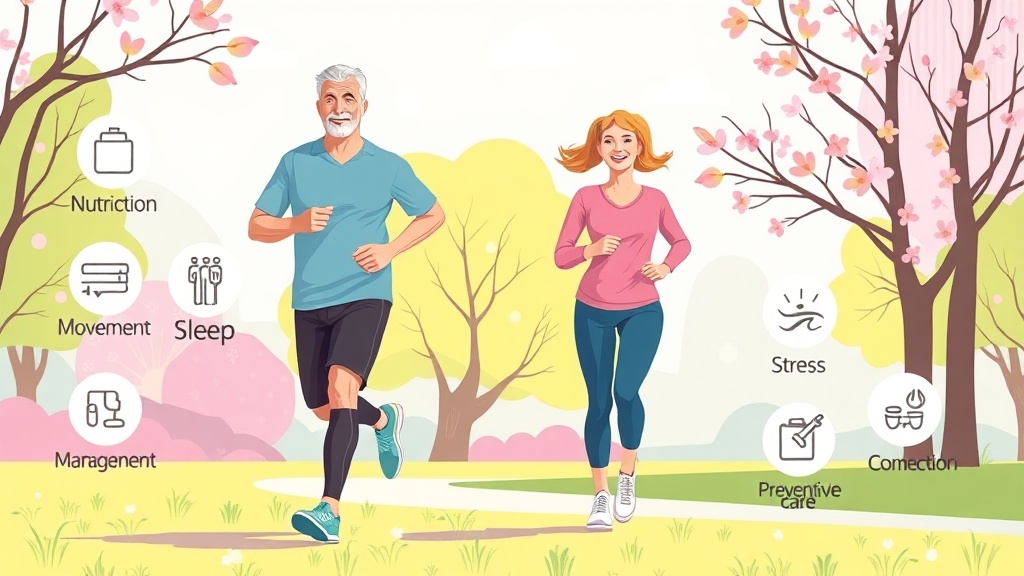
Spring isn’t just a season—it’s a catalyst. By anchoring your daily routine to these six pillars—nutrition, movement, sleep, stress management, social connection, and preventive care—you build an age‑defying lifestyle that stands the test of time. Start with one pillar today, iterate, and watch your vitality soar.
Related Reading
- Minimal Effective Dose Strength Training After 40 — One‑set strength protocol that saves time.
- Intermittent Fasting After 40: Data‑Backed Protocol — Optimize feeding windows for hormonal balance.
- AI Personal Trainer 2026: Data‑Driven Guide for Over‑40 Fitness — Leverage AI insights for personalized programming.