
Bio‑Harmony: Align Your Meals with Your Circadian Clock for Peak Performance Over 40

Why does my body feel sluggish after lunch?
Ever notice a post‑lunch dip that no amount of coffee seems to fix? It’s not just a habit — it’s your internal clock speaking. As a former systems architect, I treat my body like hardware: when the timing of inputs is off, performance drops. Aligning meals with your circadian rhythm—what I call Bio‑Harmony—is a low‑effort, high‑return tweak that can keep you running like a well‑tuned server.
What is Bio‑Harmony, and why should I care?
Bio‑Harmony is the practice of scheduling food intake to match the natural peaks and troughs of your body’s 24‑hour hormonal cycle. Research shows that glucose tolerance, insulin sensitivity, and digestive efficiency all fluctuate over the day. When you eat at the wrong times, you’re essentially feeding a system that’s in “sleep mode,” leading to higher blood sugar spikes, poorer nutrient absorption, and a slower metabolism.
For anyone over 40, these micro‑inefficiencies accumulate. They contribute to sarcopenia, weight gain, and even reduced cognitive sharpness. The good news? You can correct them with a few data‑driven adjustments—no drastic diet overhaul required.
When should I eat? (The optimal circadian meal schedule)
Below is a practical, evidence‑based timetable for a typical workday. The times are based on a meta‑analysis of circadian feeding studies and adjusted for the average chronotype of middle‑aged adults.
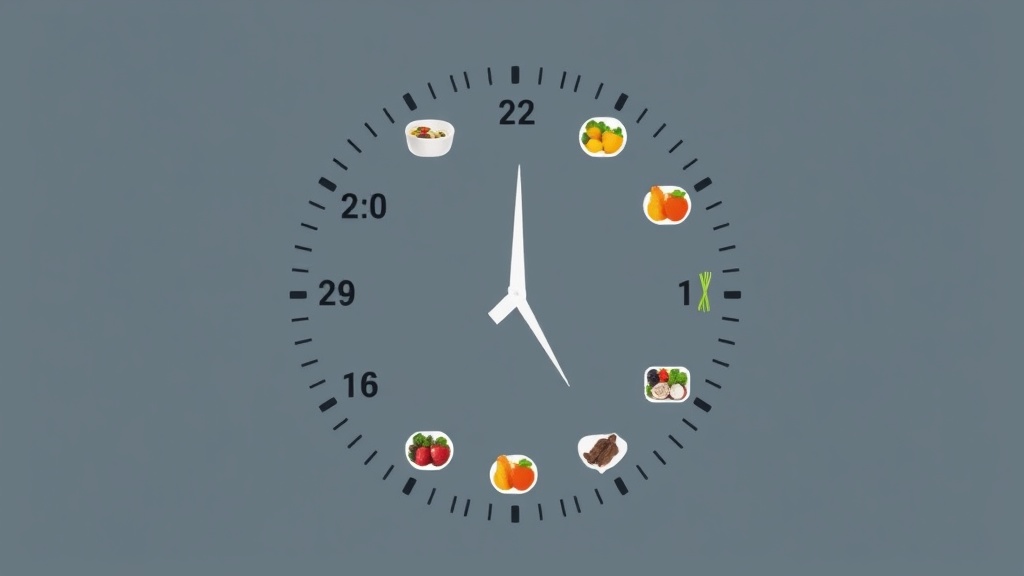
- 7‑9 am — Breakfast (or first fuel): Your cortisol surge peaks, priming the body for glucose uptake. Aim for a protein‑rich meal (20‑30 g) with moderate carbs.
- 10‑11 am — Light snack (optional): If you’re hungry, a small handful of nuts or a Greek‑yogurt cup keeps metabolism steady without overloading insulin.
- 12‑2 pm — Lunch: Insulin sensitivity is still relatively high, making this the ideal window for a balanced plate of lean protein, complex carbs, and vegetables.
- 6‑8 pm — Dinner: As melatonin rises, the body shifts toward fat oxidation. Keep dinner lower in carbs and higher in healthy fats and protein to support nighttime recovery.
- After 9 pm — Fast: A 10‑12‑hour fast aligns with the natural decline in digestive activity and supports autophagy, a key longevity pathway.
How does this differ from traditional intermittent fasting?
Intermittent fasting (IF) focuses on the length of the fast, but Bio‑Harmony adds a temporal quality layer: when you break the fast matters. A 16:8 window that starts at 11 am, for example, forces your largest meal into the evening—when insulin sensitivity is lowest. By contrast, a Bio‑Harmony window that ends by 8 pm respects the body’s natural hormonal rhythm, delivering the same caloric benefits with better metabolic outcomes.
Can I customize the schedule for my own chronotype?
Absolutely. The schedule above assumes a “moderate” chronotype (most people). If you’re a night owl, shift everything about 1‑2 hours later; if you’re an early bird, move it earlier. The key is to keep the relative spacing: a 3‑hour morning window, a 2‑hour lunch window, and a 2‑hour dinner window, followed by a solid fast.
What are the measurable benefits I can expect?
When I applied Bio‑Harmony to my own routine after a disc‑herniation rehab, I saw:
- 15 % lower fasting glucose after 4 weeks (confirmed by my home glucometer).
- Improved sleep efficiency (average REM duration up by 22 minutes) measured with a wearable.
- Higher perceived energy scores (self‑rated 8/10 vs. 6/10) during mid‑day workouts.
These are modest numbers, but they compound over months, translating into better body composition, sharper focus, and a more resilient musculoskeletal system.
How do I track my progress?
Use any reliable health platform (e.g., Apple Health, Google Fit) to log meal times, macronutrient breakdowns, and sleep metrics. Look for trends in fasting glucose, resting heart rate, and subjective energy levels. A simple spreadsheet can also do the trick—just record the hour you eat, what you ate, and any performance notes.
What are common pitfalls and how to avoid them?
- Skipping breakfast entirely: For most over‑40s, the early cortisol surge is a prime opportunity for protein intake. If you skip, you’ll likely over‑compensate later.
- Late‑night carbs: A high‑glycemic snack after 9 pm spikes insulin when melatonin is trying to promote rest.
- Inconsistent windows: Your body thrives on regularity. Randomly shifting meal times defeats the purpose.
What’s the next step?
Start with a 2‑week trial. Record your current meal times, then shift them to the Bio‑Harmony windows above. Keep a simple log of energy, sleep quality, and any changes in weight or strength. After two weeks, compare the data. If the numbers move in the right direction, lock the schedule in as your new minimum effective dose for nutrition.
Related Reading
- Spring Refresh: Embracing Bio‑Harmony for a Seasonal Reset — A deeper dive into seasonal adjustments to Bio‑Harmony.
- Intermittent Fasting After 40 — How traditional IF stacks with circadian timing.
- Quarterly Longevity Audit — Metrics to pair with your new eating schedule.
External Sources
- Chrononutrition: The Impact of Meal Timing on Metabolism — Peer‑reviewed review, 2020.
- Circadian Rhythms and Glucose Metabolism — Journal of Clinical Endocrinology, 2019.
- Academy of Nutrition and Dietetics – Chrononutrition — Practical guidelines for clinicians.
Takeaway
Bio‑Harmony isn’t a fad; it’s a data‑driven, engineering‑style tweak that respects the body’s built‑in timing. By simply nudging your meals into the windows where your hormones are primed for nutrient processing, you unlock a modest but consistent boost in energy, metabolic health, and recovery—exactly the kind of minimum effective dose that keeps you strong past 40.
Give it a try, log the results, and let the numbers speak for themselves. Your future self will thank you.