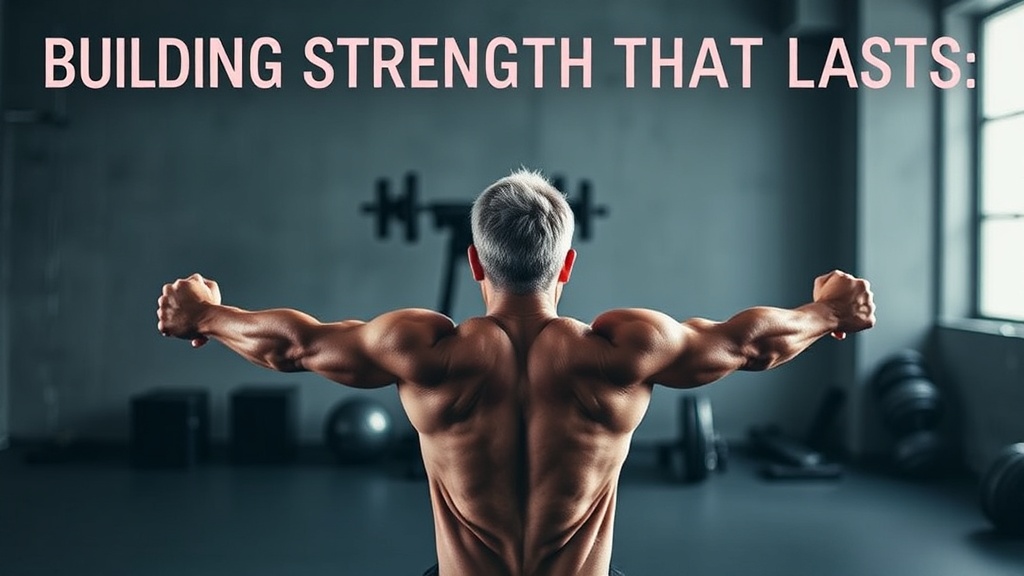
Building Strength That Lasts: A Guide to Lifelong Fitness After 40

As we age, the body undergoes inevitable changes. By the time we hit 40, we may start to notice discomfort in our joints, slower recovery times, and an overall decline in muscle mass. But here’s the reality: it doesn’t have to be this way. In fact, the 40s can be a prime time to optimize your fitness—not by grinding through intense workouts, but by working smarter. Here’s a guide to strength training that not only helps you look good but also helps you function better for the long haul. Let’s dive in.
The Science of Strength After 40
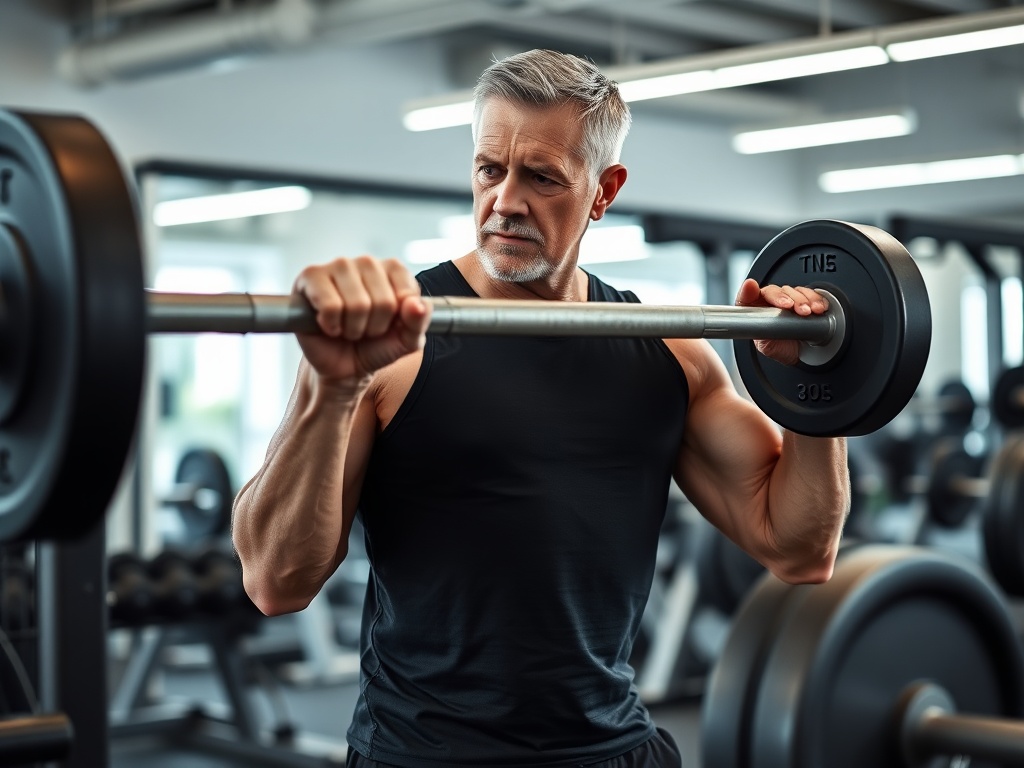
First, let’s address the mechanics of aging. Sarcopenia, the loss of muscle mass, starts to affect us around the age of 30. By the time you reach 40, the process accelerates. But muscle isn’t just for aesthetics—it’s the most important tool for longevity.
Maintaining muscle mass as we age is critical for a variety of reasons:
- Metabolic Health: Muscle plays a key role in regulating blood sugar and fat storage.
- Joint Protection: Strong muscles support and protect your joints, reducing the risk of injury.
- Functional Autonomy: Building muscle ensures you can stay active well into your later years, from carrying groceries to hiking with your grandkids.
Choosing the Right Exercises for Longevity
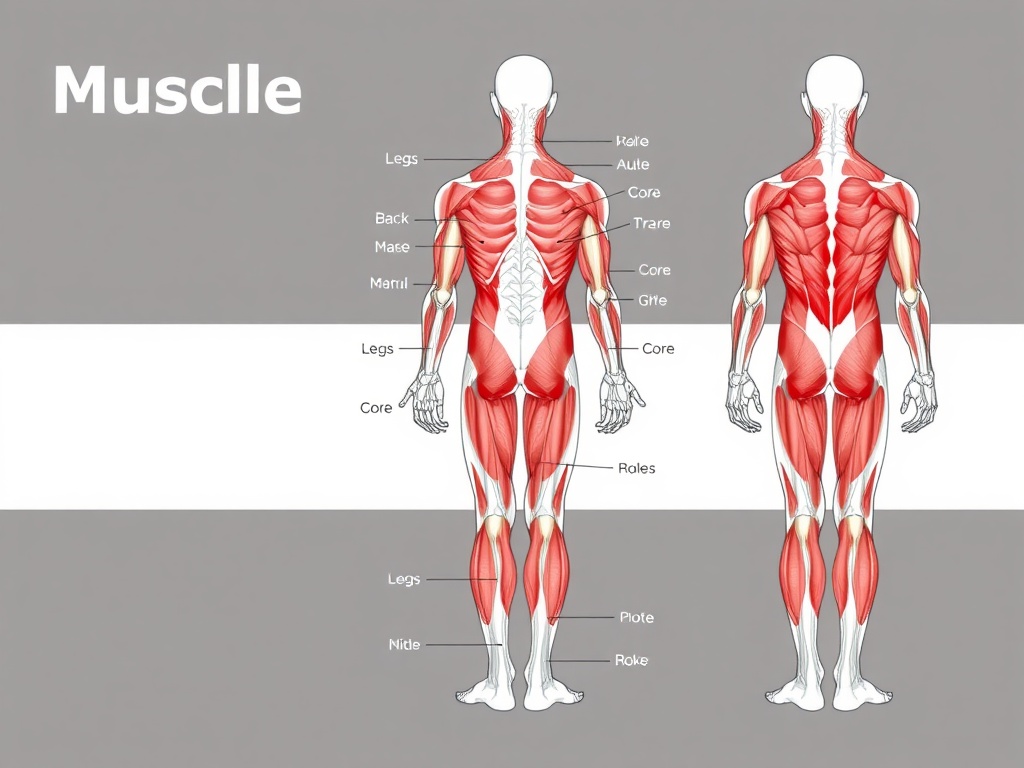
The key to effective training after 40 is efficiency. Forget about endless hours of cardio or high-impact exercises that can damage your joints. Instead, focus on movements that build strength and stability, like compound lifts.
1. Squats
Squats are one of the best exercises for building leg strength. They engage your quads, hamstrings, glutes, and core, providing a comprehensive lower-body workout. But the most important aspect is that they mimic real-world movements—sitting down, standing up, picking things up off the ground.
2. Deadlifts
Deadlifts are a full-body movement, focusing on your posterior chain (lower back, glutes, hamstrings). They’re essential for building strength in the muscles that support your spine, which becomes more important as you age. They also train your grip strength, which is vital for overall functionality.
3. Rucking
Rucking is one of the best forms of cardio that doesn’t wear out your joints. Walking with a weighted pack strengthens your legs, core, and cardiovascular system. It’s a low-impact way to stay fit, and you can easily scale the load as your fitness improves.

Prioritizing Recovery and Mobility
No matter how hard you train, recovery is just as important. The older we get, the more crucial it becomes to prioritize mobility and joint health. This is where many people go wrong—focusing solely on the weights and neglecting recovery.
Here are some simple but effective recovery techniques:
- Stretching: Incorporate daily mobility exercises to maintain flexibility in your joints and muscles.
- Isometrics: These are slow, controlled contractions that can help improve tendon health and joint stability.
- Sleep: Don’t underestimate the power of a good night’s sleep. It’s when your muscles repair and grow.
Building a Sustainable Plan
When it comes to strength training after 40, it’s all about consistency. Forget about extreme programs—build your fitness progressively. Here’s a sample weekly training plan that you can follow:
- Monday: Full-body strength training (Squats, Deadlifts, Push-ups)
- Wednesday: Mobility work (Stretching, Isometrics)
- Friday: Strength training (Rucking, Lunges, Planks)
By sticking to a consistent routine and focusing on compound movements, you’ll maximize your results while minimizing the risk of injury.
3 FAQs About Strength Training Over 40
1. Do I need to lift heavy weights to see results?
No, the key is working within a range that challenges your muscles. You can get stronger by lifting moderate weights with proper form.
2. How often should I train?
For most people, training 2-3 times a week is sufficient. The rest of the time should be dedicated to recovery and mobility.
3. Can I still build muscle if I’m new to strength training at 40?
Absolutely. Starting strength training at any age is beneficial. It’s never too late to build muscle and improve your functional capacity.
Let’s get to work.