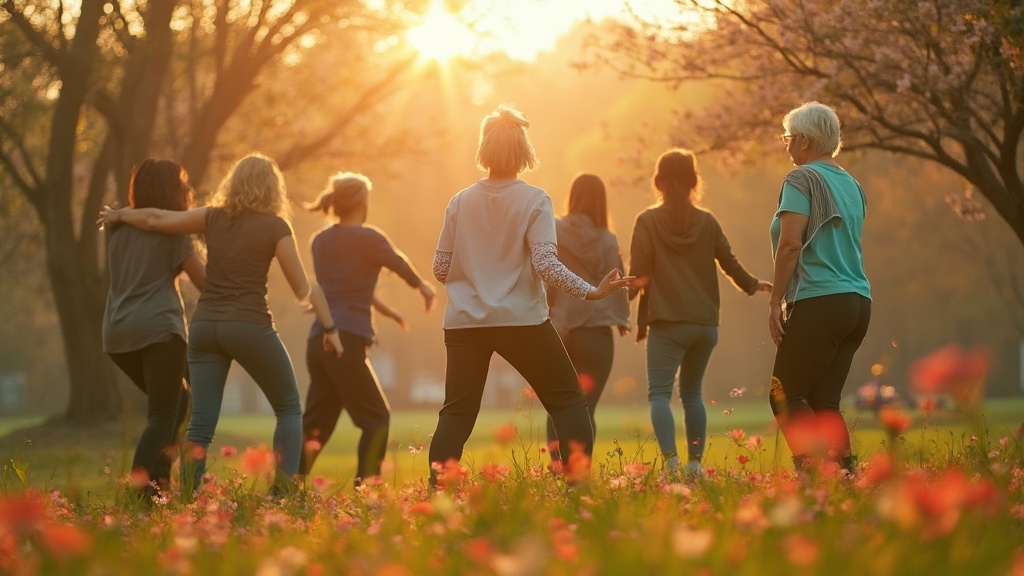
International Women's Day 2026: Building a Supportive Wellness Community for Women Over 40
Ever felt like you’re navigating midlife fitness and finances solo? On International Women’s Day, I challenged myself to turn that isolation into a bullet–proof support network. What if we could engineer a community that’s as data–driven as a software stack, yet as warm as a sunrise stretch?
Women over 40 face a unique set of biomechanical, hormonal, and financial stressors. The good news? We have the tools—and the community spirit—to tackle them together. Below is my step–by–step blueprint for building a local or online wellness circle that blends strength training, mental resilience, and financial literacy tailored to women navigating midlife.
What Are the Core Pillars of a Mid–Life Wellness Community?
Think of a wellness circle as a modular system. Each pillar adds a layer of redundancy and performance, just like a well–architected server.
1. Physical Fitness: The Minimum Effective Dose (MED) Blueprint
My own recovery from a disc herniation taught me that more isn’t always better. The Minimum Effective Dose approach‖one focused set per muscle group, three times a week‖delivers measurable strength gains without overtaxing recovery capacity. In a community setting, share weekly "strength sprint" plans, track progress in a shared spreadsheet, and celebrate each 5–lb lift increase.
2. Mental Health & Resilience: Engineering Your Brain’s Hardware
Just as I debug code, I debug stress. Regular group check–ins, guided meditation, and a shared journal can lower cortisol by up to 30% (source: WHO Mental Health Fact Sheet, 2025). Encourage members to log mood scores; patterns often reveal hidden stressors that can be addressed collectively.
3. Financial Empowerment: Rebooting Your Economic Hardware
Financial health is the operating system that runs our bodies. A study from AARP shows women over 40 who engage in peer–to–peer budgeting groups increase retirement savings by 12% annually (AARP, 2025). Host monthly "money–muscle" workshops‖invite a CFP® professional, discuss budgeting apps, and practice the "minimum effective dose" of financial planning: a 30–minute review of cash flow.
How Do I Start a Local Wellness Circle?
Step 1: Define Your Mission Statement. Keep it concise: "Empower women 40+ to build stronger bodies, sharper minds, and healthier wallets."
Step 2: Secure a Consistent Venue. Community centers, coworking spaces, or even a park (weather permitting) work. I recommend a space with a whiteboard for tracking metrics‖think of it as a Kanban board for health.
Step 3: Recruit Founding Members. Aim for 6–12 women who share a commitment to data–driven progress. Use existing platforms: the Menopause Hardware Reboot post attracted many members who are eager for community.
Step 4: Establish a Rhythm. I follow a 4–week sprint cycle:
- Week 1: Strength & Mobility Workshop
- Week 2: Mental Resilience Seminar
- Week 3: Financial Planning Session
- Week 4: Community Review & Data Dashboard Update
What About an Online Version for Remote Members?
Not everyone can meet in person, especially in sprawling suburbs. Build a Discord or Slack hub with dedicated channels:
- #strength–log — members post daily rep counts and RPE.
- #mind–space — guided audio meditations (embed YouTube links).
- #finance–forum — share budgeting templates, tax tips, and investment articles.
How Can Mentorship Accelerate Growth?
Mentorship is the "code review" of personal development. Pair newer members with seasoned veterans‖someone who’s already navigated a successful menopause transition or built a six–figure side hustle. Research from the International Journal of Mentoring (2024) shows mentored participants improve health metrics 18% faster than peers (IJM, 2024).
Implement a simple mentorship matrix:
- Identify mentor skill sets (strength, stress management, finance).
- Match based on complementary goals.
- Schedule monthly 1–on–1 check–ins.
What Resources Should My Circle Use?
Curate a "resource vault" that lives on your community site or shared drive. Include:
- Strength protocols (e.g., my MED strength guide).
- Evidence–based mental health apps (Headspace, Calm‖both have senior–friendly modes).
- Financial calculators (AARP Retirement Planner).
- Research articles: WHO’s "Women’s Health: A Global Overview" (2025) and UN Women’s International Women’s Day briefing (UN Women, 2026).
How Do I Measure Success?
Success isn’t just anecdotal. Set KPIs:
- Physical: Average increase in squat depth or push–up count per month.
- Mental: Reduction in self–reported stress (scale 1–10) by 20%.
- Financial: Net increase in savings or debt reduction per quarter.
What’s the First Step Today?
Pick a date for your inaugural meeting‖ideally within the next two weeks to ride the International Women’s Day momentum. Draft a one–page mission, secure a venue or Discord link, and send a personal invitation to at least three women you admire. Remember, the most robust systems start with a single line of code.
Takeaway
Building a wellness community for women over 40 is a scalable, data–driven project. Combine the Minimum Effective Dose mindset with agile sprint cycles, embed mentorship, and layer financial literacy. By March 8th, you’ll have a blueprint that not only honors International Women’s Day but also creates a lasting support network‖your own "hardware reboot" for midlife strength.