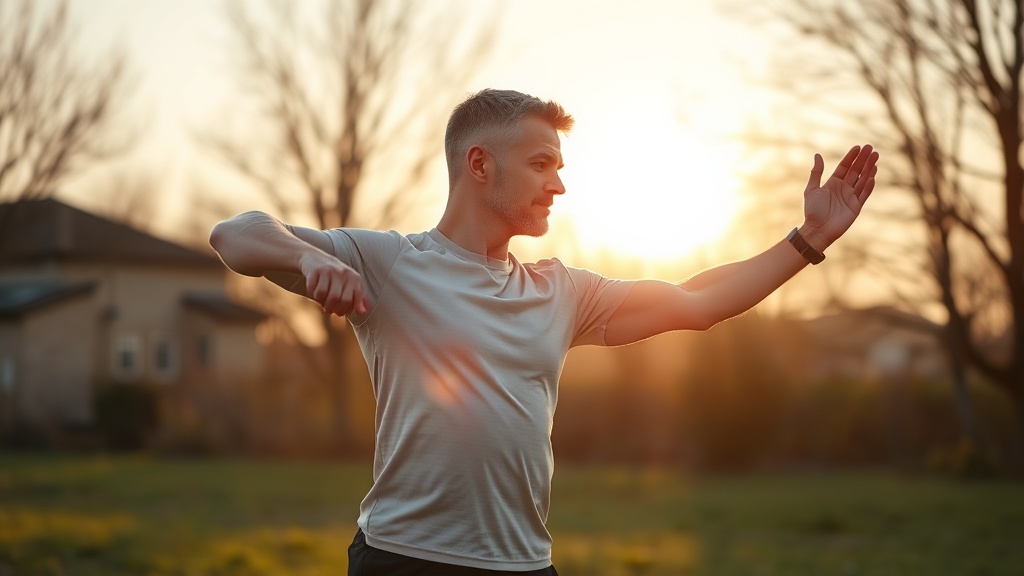
Spring Bio‑Harmony Reset: Simple Tweaks to Align Your Body’s Clock

Ever feel like spring’s extra daylight should give you a boost, but you’re still dragging? You’re not alone. The season’s natural cues can reset your body’s clock—if you know how to sync with them.
What is bio‑harmony and why does it matter right now?
Bio‑harmony is the alignment of your daily habits—eating, moving, and light exposure—with your circadian rhythm. Think of your body as a well‑tuned engine; when the timing is off, performance drops. As a former systems architect, I treat the human body like hardware: when the clock drifts, you waste energy, lose focus, and your recovery suffers. Spring’s longer days give us a natural opportunity to recalibrate.
How does the circadian clock actually work?
The master clock sits in the suprachiasmatic nucleus (SCN) of the brain and receives light signals from the eyes. It then orchestrates hormone release, metabolism, and core body temperature. National Science Foundation explains that light exposure within the first two hours after waking is the most powerful cue for setting the SCN.
Which spring‑time tweaks give the biggest bio‑harmony payoff?
- Morning light sprint: Spend 10‑15 minutes outdoors within 30 minutes of waking. Aim for bright, indirect light—no sunglasses. Harvard Health shows this can advance your sleep phase by up to 90 minutes.
- Meal timing reset: Shift your largest meal to earlier in the day. Research from Science Daily (2023) indicates that eating earlier improves insulin sensitivity, especially after 40.
- Movement sync: Schedule moderate‑intensity activity (e.g., brisk walk or light strength circuit) between 10 AM‑2 PM. This window aligns with peak core temperature, enhancing muscle performance and recovery.
- Evening wind‑down: Dim lights after sunset and avoid screens for at least an hour. A WHO fact sheet notes that reduced blue light improves melatonin release, crucial for deep sleep.
What simple tools can I use to track my bio‑harmony progress?
Data is the most honest feedback loop. Here are three low‑tech options:
- Sunlight log: Note the time you step outside each morning. Aim for a consistent 10‑minute window.
- Meal clock: Record your first and last meals. Try a 12‑hour eating window for the first two weeks of spring.
- Sleep quality tracker: Use the built‑in sleep stage analysis on your Apple Watch Series 10 (see my Apple Watch guide) to watch for longer REM periods.
How do these tweaks fit into the “Minimum Effective Dose” philosophy?
Instead of over‑hauling your entire routine, I recommend picking one of the four tweaks each week. The data‑backed, low‑effort approach yields measurable energy gains without adding stress—exactly the Minimum Effective Dose (MED) principle I preach.
What are the common pitfalls and how can I avoid them?
- Skipping morning light: If you’re stuck indoors, use a light‑therapy box set to 10,000 lux for 20 minutes.
- Late‑night snacking: Evening carbs spike insulin and delay melatonin. Replace with a protein‑rich snack if you’re truly hungry.
- Inconsistent sleep window: Aim for the same bedtime ± 30 minutes. Irregularity defeats the purpose of the spring reset.
What’s the next step after you’ve rebooted your clock?
Once you’ve nailed the basics for two weeks, layer on more advanced bio‑harmony tactics: timed protein intake, strategic nap scheduling, and seasonal nutrient timing (e.g., vitamin D in early spring). I’ll cover those in a follow‑up post, so stay tuned.
Takeaway
Spring offers a natural, low‑cost lever to boost your bio‑harmony. Start with a morning light sprint, move your biggest meal earlier, fit a midday movement break, and dim the lights after sunset. Track the three simple metrics for two weeks, and you’ll feel a measurable lift in energy and recovery—no hype, just data‑driven results.
Related Reading
- Bio‑Harmony: Align Your Meals with Your Circadian Clock for Peak Performance Over 40 — deeper dive on meal timing.
- Spring Hydration Habits — why water matters for circadian health.
- Daylight Saving Time Shift — practical light‑exposure hacks.