
Why Strength Matters Over 40: Building a Body That Lasts

The Reality of Aging: Why Strength is the Most Under-Prescribed Medicine
The truth is that after 40, our bodies start to show signs of wear and tear. For most people, this means joint pain, slower recovery times, and a general sense of sluggishness. But these are not inevitable outcomes—especially if we approach our fitness with intention and understanding. The reality is that after 40, building strength is not just about aesthetics. It’s about preserving your body's ability to move, lift, and function for decades to come.
What Happens to Your Body After 40?
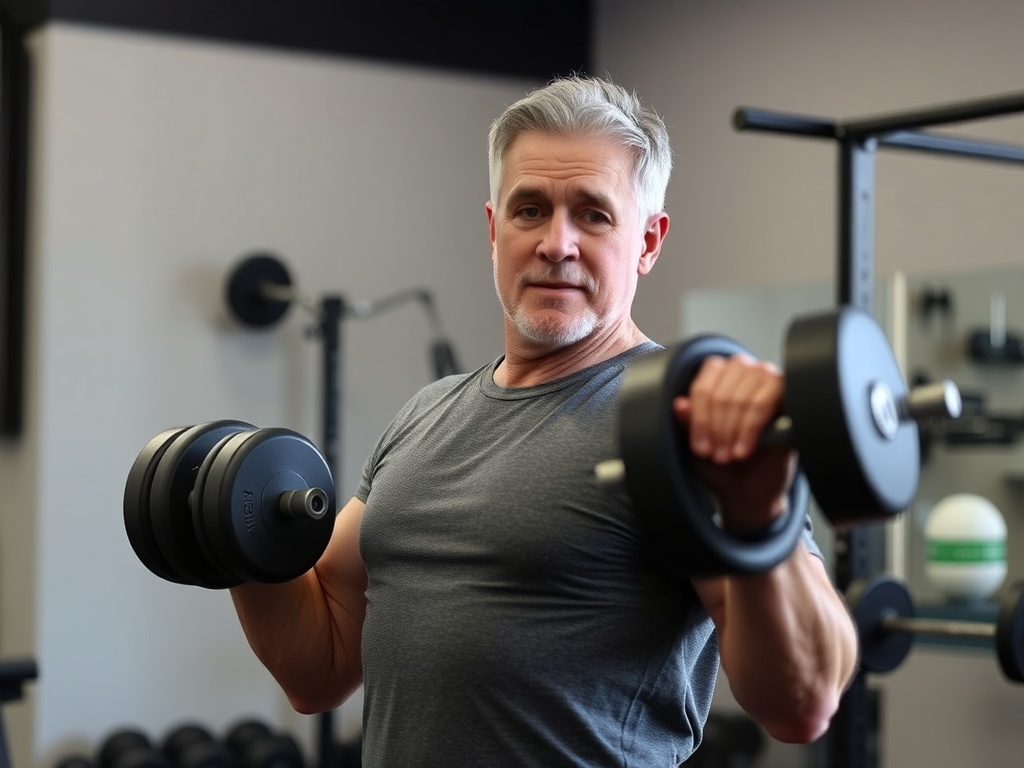
As we age, we naturally begin to lose muscle mass—a process known as sarcopenia. This is one of the biggest contributors to the physical decline we see in older adults, impacting everything from metabolism to mobility. But the good news is that muscle loss is not irreversible. With the right training, you can reverse or at least slow down the process significantly.
The Key to Longevity: Strength Training
Strength training after 40 isn’t just about looking good; it’s about staying functional. Muscle mass plays a crucial role in maintaining metabolic health, joint stability, and overall independence. Without it, we become frailer, less capable, and more prone to injuries. Strength isn’t just for bodybuilders—it’s for everyone who wants to live life on their terms, free of aches, pains, and limitations.

Building a Foundation for the Future
At FitForty, we believe in the Minimum Effective Dose: the least amount of training necessary to achieve optimal results. You don’t need to spend hours at the gym. Focused, structured workouts that prioritize compound movements and functional strength are more than enough to keep your body strong and resilient.
Why Joint Health is Critical
Strength training isn’t just about building bigger muscles—it’s about preserving your joints. Many of the aches and pains we experience as we age stem from poor joint health. By strengthening the muscles around our joints, we improve stability and reduce wear-and-tear. This is why functional strength is paramount—your joints and muscles work together to ensure you can move without pain.

Recovery: The Unsung Hero of Strength Training
Strength training is important, but recovery is where the real magic happens. Sleep, nutrition, and mobility work are just as vital to maintaining strength and health as lifting weights. Without proper recovery, you’ll face diminishing returns on your training and increase your risk of injury. Your recovery protocols should be as dialed in as your training program.
Conclusion: Building a Body That Lasts
The reality is that building a body that lasts isn’t about grueling workouts or chasing the latest trends. It’s about approaching fitness as a system, optimizing the inputs, and getting the most out of every movement. By focusing on strength, mobility, and recovery, you can ensure that your body continues to serve you well into your 80s and beyond.