
The 10-Minute Daily Mobility System That Keeps Your Hardware Operational After 40

Quick Tip
Move every major joint through its full controlled range daily for just 10 minutes to preserve long-term strength and mobility.
The reality is your body doesn’t break all at once—it degrades quietly, one restricted joint at a time. Most people only notice when something fails. A knee that won’t track. A back that locks. A shoulder that refuses to rotate under load.
This isn’t bad luck. It’s poor system maintenance.
If you’re over 40, mobility isn’t optional. It’s the baseline requirement for keeping the hardware functional under load. And no—you don’t need an hour-long yoga session or a complicated routine you’ll abandon in two weeks.
You need a system. One that fits into your day, hits the highest-value joints, and keeps you moving without friction.
Here’s the Minimum Effective Dose: 10 minutes. Daily. No negotiation.

The Single Principle Most People Miss
Mobility isn’t about stretching muscles. It’s about restoring joint capability.
Let’s look at the mechanics:
- Muscles produce force
- Joints express that force
- Restricted joints force compensation patterns
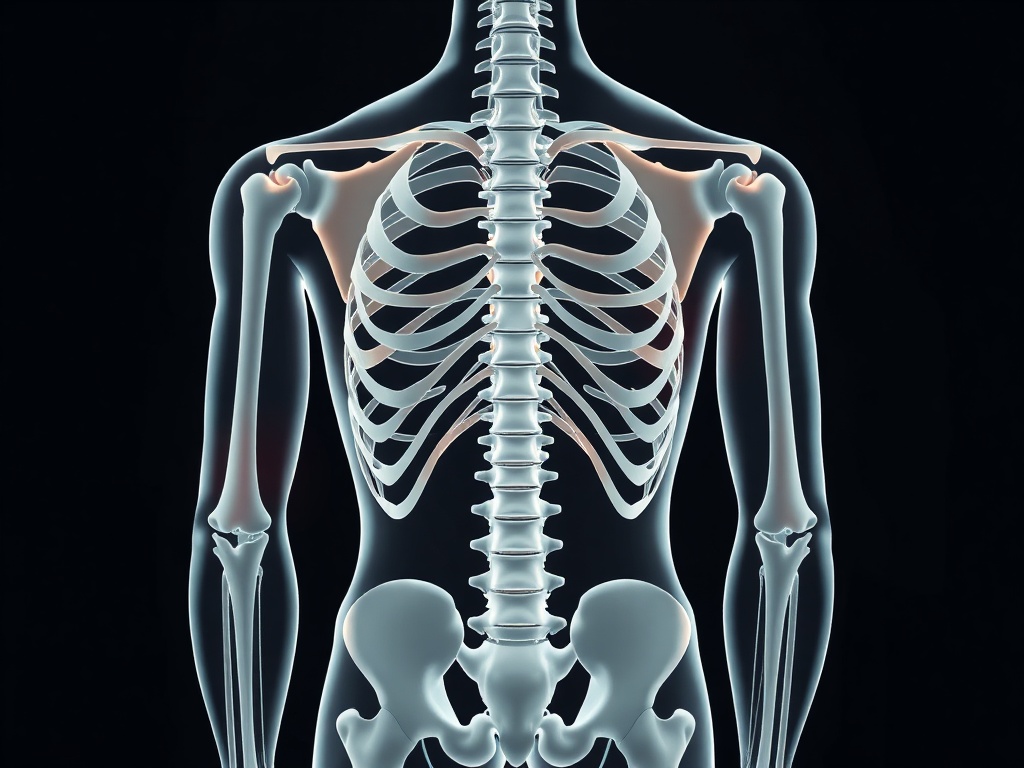
When a joint loses range, the system reroutes load elsewhere. That’s when your lower back starts doing your hip’s job, or your shoulder takes stress meant for your thoracic spine.
This is how injuries actually happen—not from one bad rep, but from thousands of compensated ones.
The goal of this system is simple: restore usable range where it matters most.
The 10-Minute System (No Guesswork)
This is your daily maintenance protocol. Set a timer. Move with control. No rushing.
1. Controlled Hip CARs (2 minutes)
Your hips are the primary load-bearing joint. If they fail, everything above and below compensates.
- Stand tall, brace lightly
- Slowly draw the largest circle possible with your knee
- No spine movement—this is pure hip rotation
Why it matters: Restores rotational capacity and protects your lower back.
2. Thoracic Spine Rotations (2 minutes)
If your upper back doesn’t rotate, your shoulders will take the abuse.
- Quadruped position
- Hand behind head, rotate elbow toward ceiling
- Control both directions
Why it matters: Preserves shoulder integrity and posture under load.
3. Deep Squat Hold (2 minutes)
This is a diagnostic and a fix.
- Drop into a squat
- Hold onto something if needed
- Shift gently side to side
Why it matters: Maintains ankle, knee, and hip integration.
4. Shoulder CARs (2 minutes)
Your shoulders are the most mobile—and therefore most vulnerable—joint.
- Slow, controlled arm circles
- Thumb rotates through full range
- No torso compensation
Why it matters: Keeps the joint stable across its full range.
5. Isometric Hamstring Bridge (2 minutes)
This is where most people skip the work.
- Heels on floor, hips elevated
- Hold tension for 20–30 seconds
- Repeat
Why it matters: Builds tendon resilience, not just flexibility.

Why This Works (And Most Routines Don’t)
The reality is most mobility routines fail because they violate one of three principles:
- They’re too long — You won’t sustain them
- They’re too passive — No control, no carryover
- They’re unfocused — Random exercises, no system
This protocol fixes all three:
- 10 minutes — sustainable
- Active control — builds usable range
- Joint-focused — targets high-impact areas
This is what Minimum Effective Dose looks like in practice.

How to Actually Implement This (Where Most Fail)
You don’t need motivation. You need integration.
- Anchor it to an existing habit: Right after coffee. Before your shower. Same time daily.
- Track it: If it’s not written down, it didn’t happen.
- Lower the barrier: No special equipment. No setup time.
Consistency beats intensity. Always.
The Long-Term Payoff
This isn’t about feeling "loose." It’s about preserving your ability to:
- Squat without pain at 60
- Lift overhead without compensation at 70
- Move without hesitation at 80
Mobility is not a warm-up. It’s system preservation.
Ignore it, and your training ceiling drops year by year. Maintain it, and your strength has somewhere to go.
The One Takeaway
If you do nothing else, do this: move every major joint through its full controlled range every single day.
Ten minutes is the price of keeping the machine operational.
Skip it, and you’ll pay later—with interest.
Respect the hardware.
Let’s get to work.