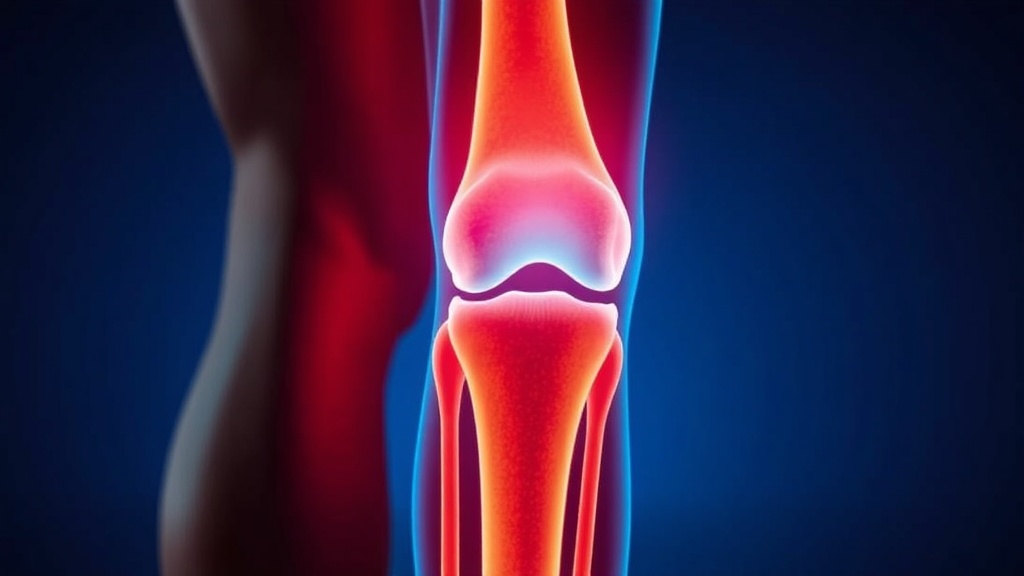
The 45-Year-Old Knee: Why It Hurts—and the Engineering Fix That Actually Works

The reality is your knee isn’t the problem. It’s the messenger.
By the time most people hit their mid-40s, the hardware starts sending signals—aching after stairs, stiffness after sitting, a quiet resistance to squatting that wasn’t there ten years ago. The default response is to "protect" the knee. Less load. Less movement. Maybe swap strength training for light cardio and hope the system stabilizes.
That approach fails because it treats symptoms, not structure.
Let’s look at the mechanics.
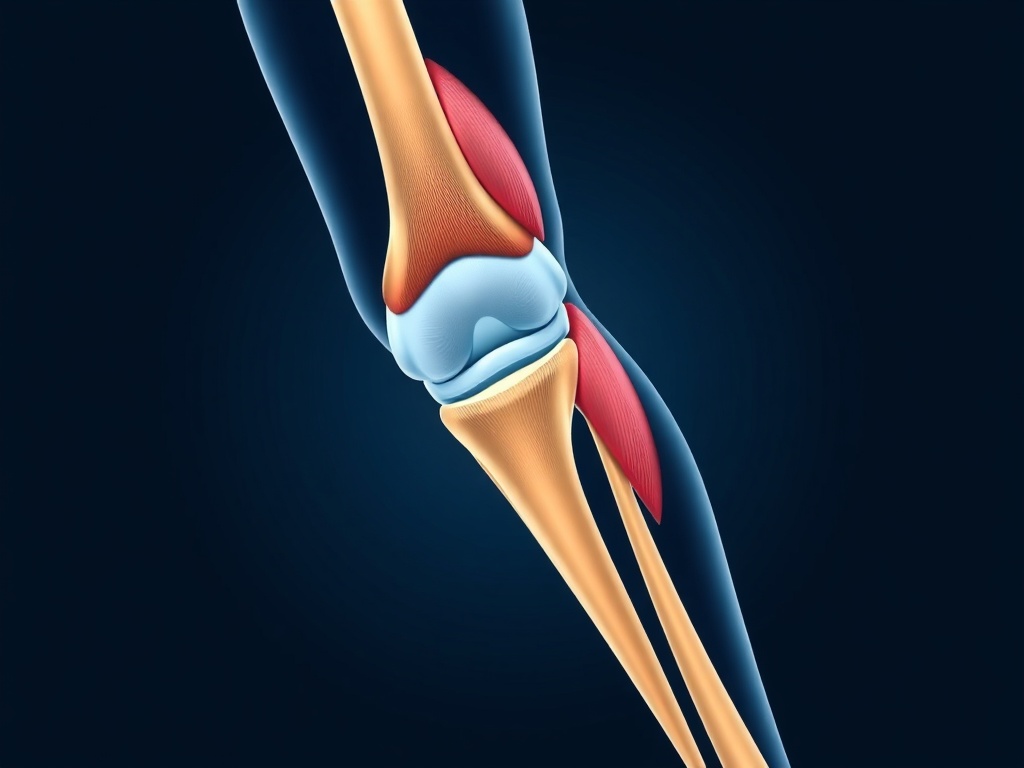
The Knee Is a Load Transfer System
Your knee is not a primary driver. It doesn’t generate force; it transfers it. The joint sits between two major engines:
- The hips (glutes and posterior chain)
- The ankles (foot stability and calf complex)
If either system underperforms, the knee absorbs the error. That’s when pain shows up.
Here’s the simplified model:
- Weak hips → knee collapses inward (valgus stress)
- Restricted ankles → knee compensates forward excessively
- Poor load distribution → patellar tendon overload
The reality is your knee is doing exactly what it’s supposed to do: handle the load you’ve forced through it. The problem is the upstream and downstream systems aren’t carrying their share.
Why "Rest" Makes It Worse After 40
Rest has its place—but for chronic knee pain, it’s often the wrong tool.
As we age, tendon elasticity decreases and joint lubrication becomes less efficient. Without regular, controlled loading, the system deconditions quickly.
Translation: if you stop loading the knee entirely, you lose capacity faster than you reduce pain.
- Tendons become less resilient
- Muscle mass declines (sarcopenia accelerates)
- Joint tolerance drops
This is why "taking a few weeks off" often leads to worse symptoms when you return.

The Real Problem: Capacity vs Demand
Every joint operates under a simple equation:
- Capacity = what your tissues can handle
- Demand = what you ask them to do
Pain shows up when demand exceeds capacity.
At 25, you could get away with sloppy mechanics because capacity was high. At 45, the margin is smaller—and precision matters.
Most people respond by lowering demand (avoiding stairs, skipping leg day). The better strategy is to increase capacity systematically.
The Engineering Fix: Rebuild the System
We don’t "protect" the knee. We upgrade the system around it.
Here’s the Minimum Effective Dose protocol I use with clients rebuilding from knee pain.
1. Restore Ankle Mobility (Daily, 5 Minutes)
If your ankle can’t dorsiflex, your knee will compensate.
- Knee-to-wall mobilizations
- Slow calf stretches under load
Goal: allow forward knee travel without heel lift or collapse.
2. Rebuild Hip Stability (3x per Week)
The glutes are your primary shock absorbers. If they’re offline, the knee pays the bill.
- Split squats (controlled tempo)
- Single-leg RDLs
- Lateral band walks
Focus on control, not weight. The objective is alignment under load.

3. Use Isometrics for Tendon Health (Daily or Post-Workout)
This is the most underused tool in midlife training.
- Wall sits (30–60 seconds)
- Spanish squats
Isometrics increase tendon stiffness and reduce pain without excessive joint stress.
4. Reintroduce Load Gradually (2–3x per Week)
You don’t avoid squats—you earn them back.
- Start with goblet squats
- Progress to controlled barbell work
- Keep reps in the 5–8 range for strength
Track everything. If it isn’t written down, it didn’t happen.
5. Add Load Carriage (Rucking)
This is where most programs fall apart.
Rucking builds knee resilience without high-impact stress. It reinforces gait mechanics and strengthens connective tissue under real-world conditions.
- Start with 10–15% bodyweight
- Walk 20–40 minutes
- Progress slowly

What to Avoid (High Risk, Low Return)
Let’s remove the common mistakes:
- High-rep jump training
- Deep fatigue-based circuits
- Random class programming with no progression
Your 45-year-old knee doesn’t need chaos. It needs structure.
The Timeline: What Actually Improves
If you follow the system consistently:
- Week 2–3: Reduced pain with daily movement
- Week 4–6: Improved stability and control
- Week 8–12: Measurable strength gains and confidence under load
This isn’t a quick fix. It’s a structural rebuild.
System Update (What to Do This Week)
- Spend 5 minutes daily on ankle mobility
- Add 2–3 sessions of single-leg strength work
- Hold 3 sets of 45-second wall sits every other day
- Walk with load twice this week
- Log everything in ink or app
The reality is your knee isn’t fragile—it’s under-supported. Fix the system, and the signal goes quiet.
Respect the hardware.
Let’s get to work.