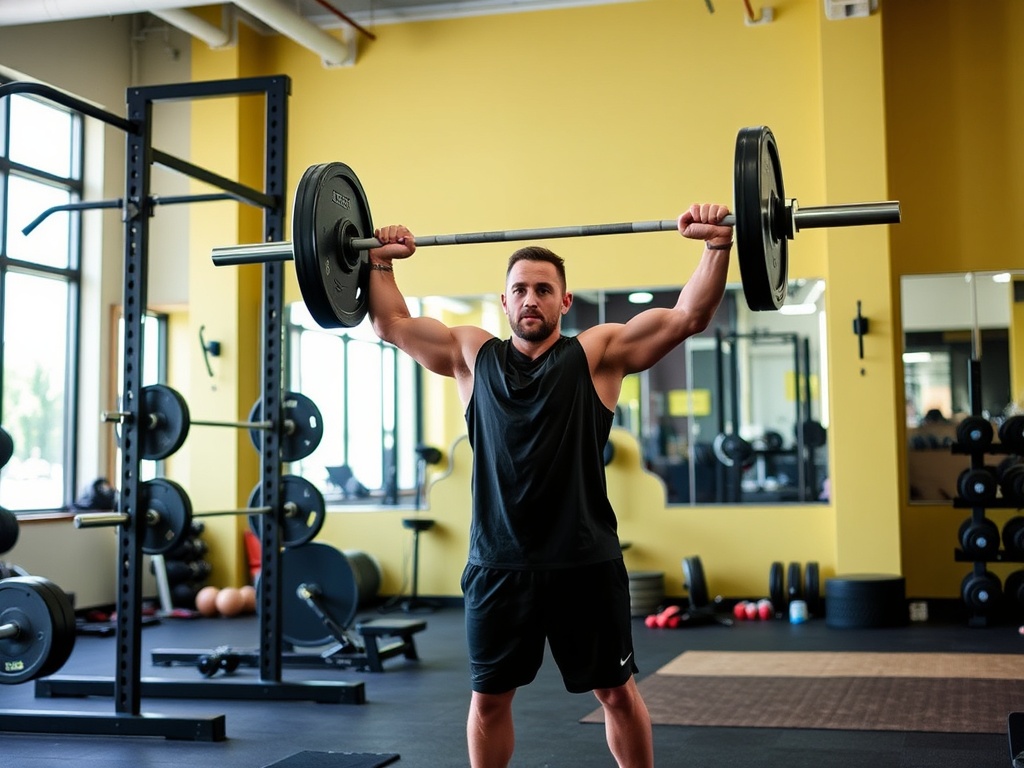
The Art of Longevity: Building a Body That Lasts
The reality is that our 40s are not a decline—they're a new prime. But to thrive in this phase, we must prioritize the mechanics of the body. Most middle-aged professionals neglect the importance of maintaining muscle mass, mobility, and strength. This deep dive explores how to build a body that will last for decades, supporting your ability to stay independent, strong, and functional well into your 80s. Here’s what we need to focus on:
1. Why Sarcopenia Isn't Inevitable
Sarcopenia, or the loss of muscle mass, is often seen as an unavoidable part of aging. But it's not inevitable. By understanding the mechanics of muscle growth and maintenance, you can prevent the drastic losses that occur naturally over time. The key? Strength training with proper technique and progressive overload.
2. Joint Longevity: Preserving the Hardware
While many people focus on lifting for aesthetic reasons, those of us in the 40+ club must understand that weight training is not just for muscle growth. It's for joint health. Movements like squats and deadlifts are critical not only for building strength but for keeping the joints robust and well-lubricated. This section dives into the importance of load-bearing exercises and the biomechanics behind them.
3. Building Metabolic Flexibility: Fueling the Machine
Your body needs fuel that matches its current needs. As we age, our metabolism changes, and it's essential to become metabolically flexible. This means being able to shift between burning carbohydrates and fats efficiently. Here's how to optimize your diet to fuel the body for long-term health and energy.
4. The Recovery Protocol: Maximizing Rest for Maximum Gain
Recovery is a non-negotiable factor in building a sustainable body. You can't push hard without allowing time for repair and rebuilding. Let's explore the science behind sleep, rest, and the role of active recovery techniques like isometric holds and stretching.
Final Thoughts
The reality is that aging doesn't mean slowing down or giving up your health goals. It means adapting, respecting your body, and continuing to challenge yourself in ways that will keep you functional and strong for decades to come. Let’s get to work.